Here is the truth about rats and mice that trapping companies do not lead with: trapping without sealing is a subscription. As long as the entry points stay open, new rodents replace the ones you catch, because the smell trails and the shelter are still there. Real rodent control is exclusion: finding and sealing every gap a rodent can use. These are the ones we seal on almost every Paramount job.
Start With How They Get In
A mouse needs a gap the size of a dime. A young rat needs about a half inch. Rodents follow edges, pipes and wires, and they test every penetration in a building envelope: where plumbing, gas and AC lines pass through walls, where the garage door meets the ground, where the roofline has gaps at eaves and vents. Norway rats come from below, along alleys, sewers and the LA River corridor. Roof rats come from above, traveling fences, power lines and tree branches onto the roof.
The Entry Points We Seal Most
On Paramount rodent jobs, these account for nearly every infestation:
- Garage door corners, where the seal never quite meets the frame
- AC line and plumbing penetrations with gaps around the pipe
- Roof eaves, gable vents and attic screens that are torn or missing
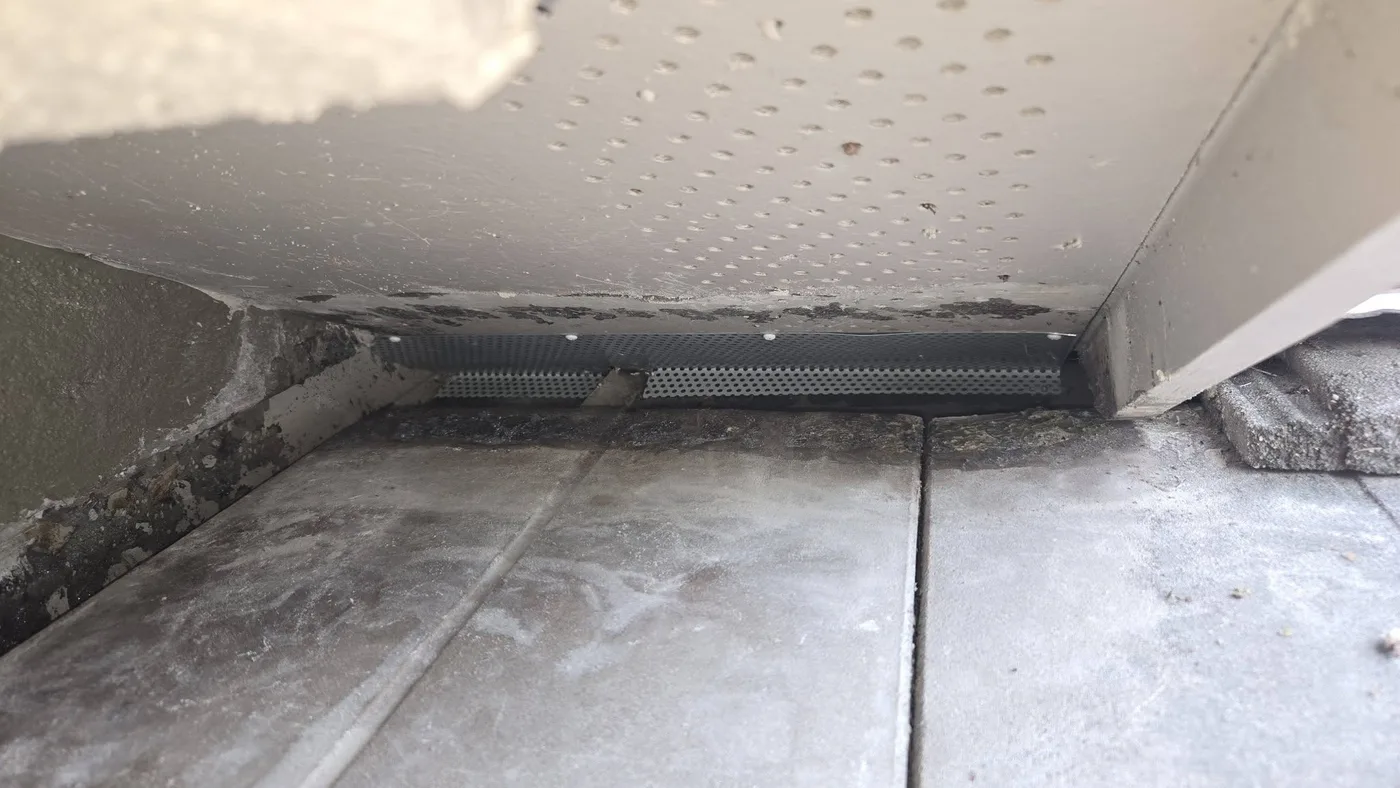
- Weep holes and foundation vents without intact mesh
- Sewer and drain cleanouts with loose caps
- Door sweeps worn down to a rodent-sized gap
- Tree and palm contact with the roofline, the roof rat highway
- Utility boxes and conduit entries on exterior walls
- Crawlspace access doors that no longer latch or seal
- Gaps where additions, patios and fences meet the house wall
Outside: Food, Water and Harborage
Sealing works twice as well when the yard stops advertising. Secure pet food and bird seed in sealed bins, pick up fallen fruit from citrus and avocado trees, fix leaking irrigation that gives rats a nightly water source, and clear the woodpiles and dense ground cover against the house where Norway rats burrow. A yard that offers nothing slows reinfestation to a crawl, especially on alley and river-adjacent blocks in West Paramount.
Trapping and Exclusion Work Together
Our program pairs the two in the right order. We inspect the attic, roofline and crawlspace, set traps for the animals currently inside, then seal the entry points with materials rodents cannot chew through: metal flashing, hardware cloth and proper sealants, not foam alone, which rats treat as a snack. Monitoring confirms the house is clear, and the sealed points carry a written guarantee. Trapping plus exclusion in Paramount typically runs $250 to $650.
Signs the Problem Is Bigger Than One Rat
Droppings in multiple areas, scratching in several walls, gnawed wiring, or activity that continues two weeks after sealing means a larger population, a missed entry point, or a source next door, such as a vacant property or a broken sewer line. That is a call-us moment, not a buy-more-traps moment: (888) 555-0199. Attic inspection is free with any rodent call in 90723.
Common Questions
Why not just use poison bait?
Bait alone does not close entry points, animals can die in walls and attics, and bait creates risks for pets and wildlife. Trapping plus exclusion removes the current animals and prevents the next ones, which is why it is our standard.
Can I seal the holes myself?
You can, and the list above is your checklist. Use metal and hardware cloth, not foam or caulk alone. If activity is in the attic or you cannot find the entry, a professional inspection usually pays for itself in time.
How long does exclusion take?
Most Paramount homes are inspected, trapped and sealed within one to two visits. Larger or older homes with many gaps can take a third visit for monitoring and confirmation.