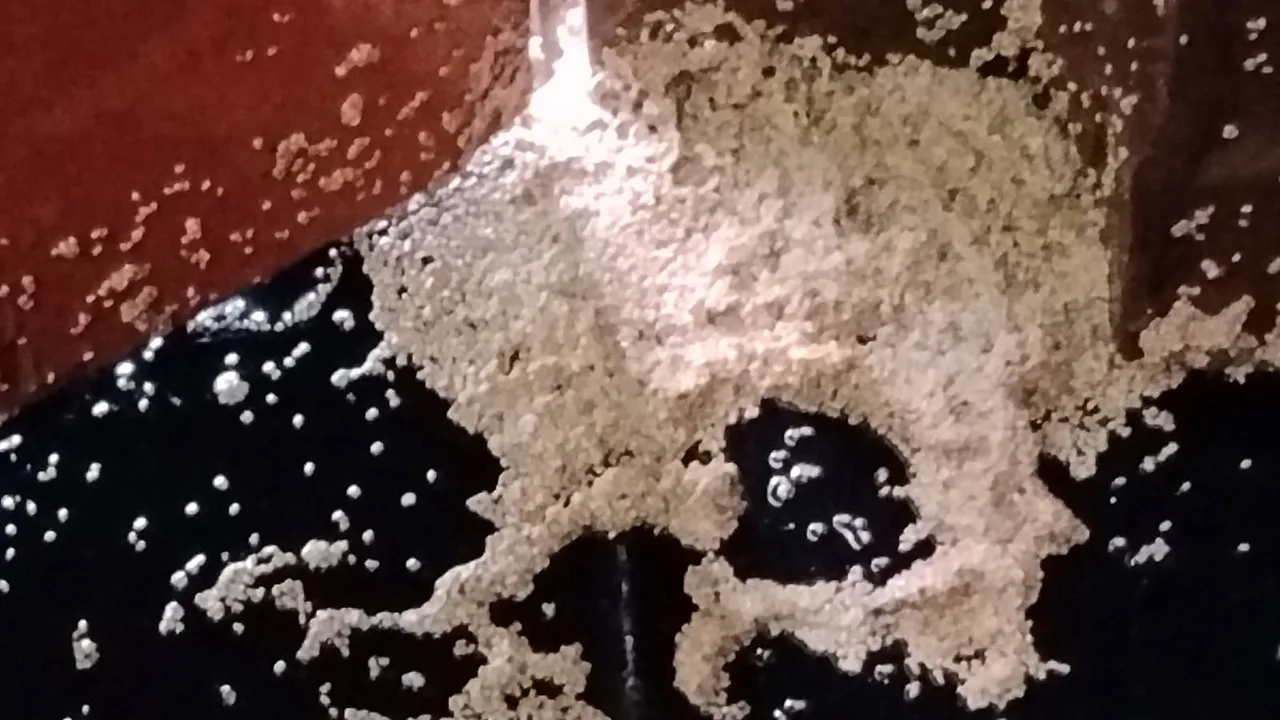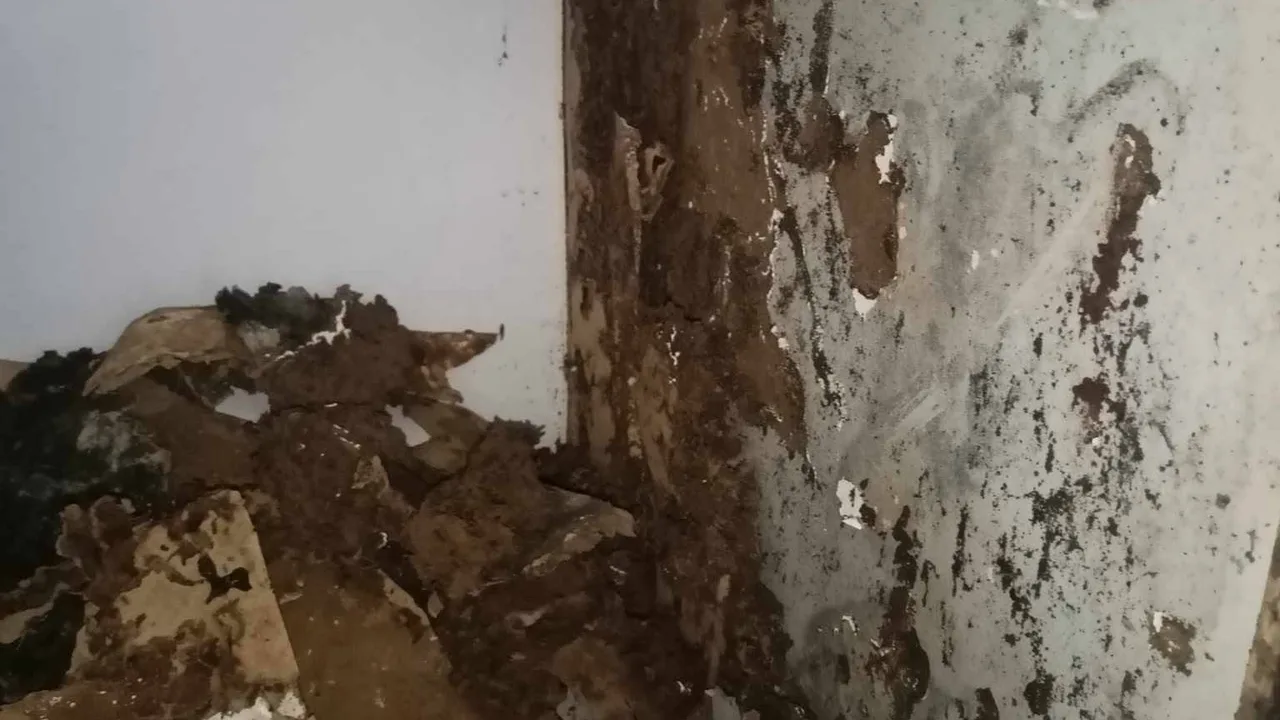
Finding a mud tube on your foundation or a garage wall corner is unsettling, but it is also useful information. A tube is proof, not a guess: subterranean termites are actively traveling between their colony in the soil and the wood of your home. Here is what the tube tells us, what it does not tell us, and the order to do things in.
What a Mud Tube Actually Is
Subterranean termites dry out fast in open air, so they build enclosed tunnels out of soil, saliva and droppings. Inside the tube, the air stays humid and predators stay out. Tubes are usually the width of a pencil, but they can run for many feet along a foundation, up a wall corner, or across a crawlspace joist. A colony can rebuild a broken section within days, which is why a tube that reappears after you knock it down means the route is active.
What a Tube Tells Us, and What It Does Not
A tube proves three things: subterranean termites, an active travel route, and a moisture-friendly path between soil and wood. It does not tell us the colony size, how long they have been feeding, or how much wood is damaged. Those answers come from inspecting the full perimeter, the crawlspace and the attic, and probing the wood at and around the entry point. One visible tube often means other, hidden routes exist.
What Not to Do
Three common reactions make the problem harder to solve:
- Do not just knock the tube down and spray it. Over-the-counter sprays can push termites into new areas of the house and scatter the evidence
- Do not seal the gap or paint over it before inspection. You hide the entry point the treatment plan depends on
- Do not assume one tube is the whole problem and treat only that spot. Colonies use multiple routes
What Happens at the Inspection
We trace the tube to its entry point, check every other soil-to-wood contact around the structure, and look for secondary signs: damaged wood, swarm evidence and moisture problems like leaking irrigation or plumbing. You get photos and a plain explanation of what is active, what is old, and what each fix costs before you decide anything.
Treatment Options After Tubes Are Found
If activity is confined to one area, localized treatment at the entry zone often runs $350 to $900. If activity shows up on multiple sides of the home, a bait and monitoring system, typically $1,200 to $2,500 per year, attacks the colony itself and keeps watching after it is gone. Full-structure options exist for severe drywood cases, which mud tubes are not. The right choice depends on findings, and our Paramount inspections are free, so start there: (888) 555-0199.
Common Questions
If I break a tube and it is not rebuilt, are they gone?
Not necessarily. The colony may have shifted routes or the section may be seasonal. Only an inspection of the whole structure can say.
Are mud tubes dangerous to touch?
No. They are soil and termite droppings. Wash your hands after handling, and leave the tube intact for the inspector where you can.
How quickly should I act?
Within days, not months. Termites feed continuously, and a free inspection now is what keeps a localized treatment from becoming a bait system later.