Termites do their damage quietly, inside wood you cannot see into. By the time most homeowners notice anything, the colony has been feeding for months. The good news is that termites leave evidence, and Paramount's older wood-frame housing shows the same seven signs again and again. Learn to spot them and a small, cheap problem stays small and cheap.
Signs of Subterranean Termites
Western subterranean termites live in the soil and commute into your home. Their evidence shows up low, near the ground:
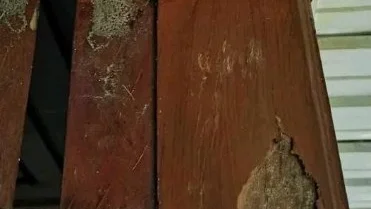
- Mud tubes: pencil-wide tunnels of soil and saliva climbing a foundation, a wall corner or a pipe. Termites build them to travel without drying out
- Swarmers: winged termites around lights in spring, or piles of discarded wings on windowsills after a swarm
- Wood that sounds hollow or papery when you tap it along baseboards and door frames
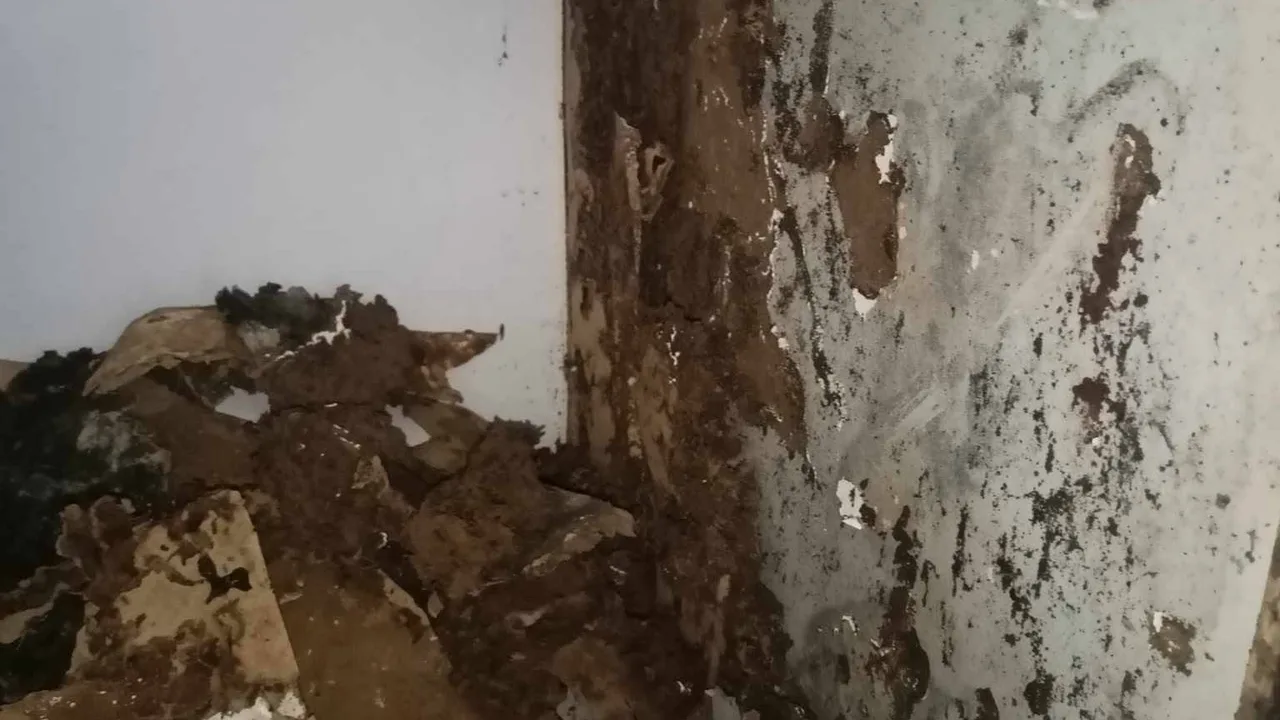
- Bubbling or peeling paint that looks like water damage but has no leak behind it
Signs of Drywood Termites
Drywood termites live inside the wood itself, in attic framing, eaves, furniture and window frames, with no soil contact at all. Their calling cards are different:
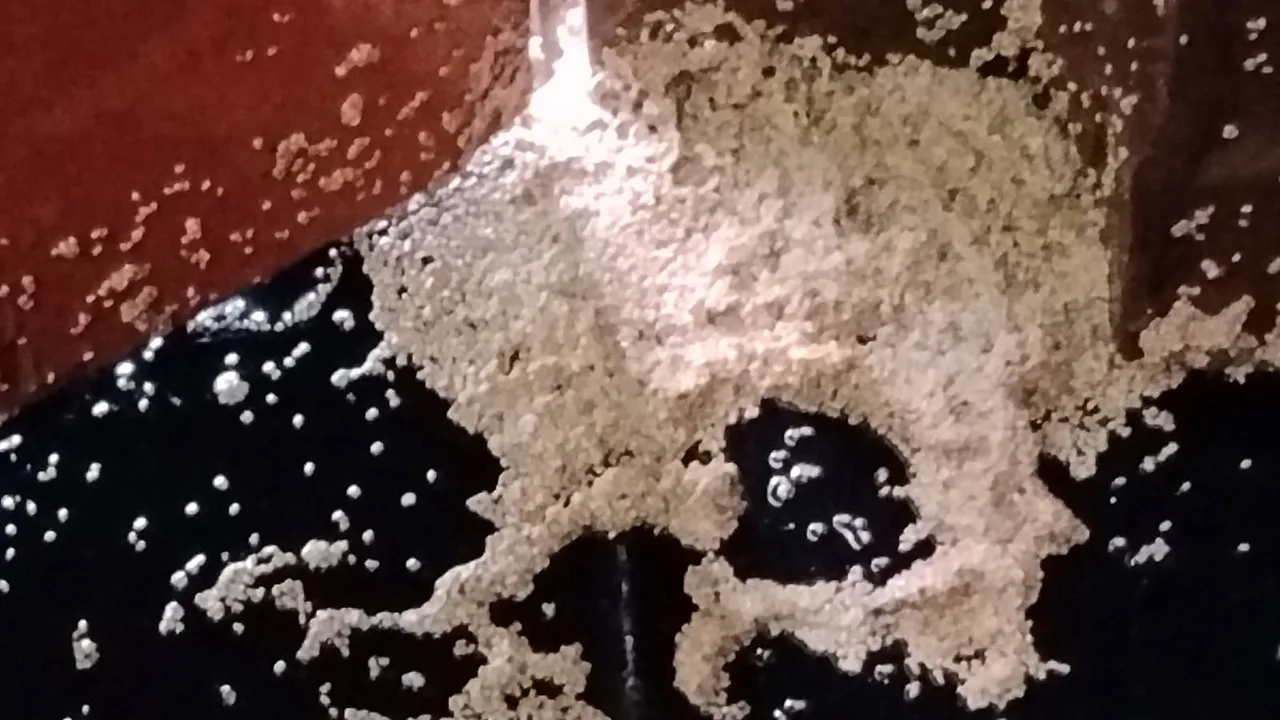
- Frass: tiny pellet piles under small kick-out holes in wood. It looks like coarse pepper or sawdust and keeps reappearing after you sweep it up
- Faint clicking sounds in walls on quiet nights, made by soldier termites banging their heads
- Wings near windows in late summer and fall, which is drywood swarming season in Southern California
- Blistered wood surfaces on eaves and fascia that crumble when probed
Signs People Mistake for Something Else
Frass is often blamed on carpenter ants, and mud tubes get scraped off as dirt. Flying ants are confused with termite swarmers: ants have pinched waists and bent antennae, termites have straight antennae and wings of equal length. Peeling paint gets blamed on a plumbing leak that does not exist. If any of these show up in a pre-1980 Paramount home, treat it as a termite question until an inspection says otherwise.
What to Do When You Find a Sign
Do not spray it, scrape it or seal it before the inspection. Disturbing a tube or a frass pile destroys the evidence that tells us the species, and species decides the entire treatment. Take clear photos, note where you found it, and leave it alone.
Then book a free inspection. We check the perimeter, interior, attic and crawlspace, show you photos of what we find, and separate active infestation from old, inactive damage, because the two need very different responses.
How Often Should Paramount Homes Be Checked?
With housing stock largely built between the 1940s and 1970s, an annual termite check is cheap insurance in 90723. Homes with previous activity, wood-to-soil contact or plumbing leaks should be checked every year without exception. Call (888) 555-0199 to book a free inspection.
Common Questions
Can I tell subterranean and drywood termites apart myself?
Often, yes. Mud tubes point to subterranean termites; frass piles point to drywood. But mixed infestations happen, which is why the inspection confirms the species before any treatment is recommended.
Does homeowners insurance cover termite damage?
Almost never. Insurers treat termites as a preventable maintenance issue, which is exactly why catching signs early matters.
How fast can termites damage a home?
Slowly but constantly. A mature colony eats around the clock. The damage that matters usually builds over one to three years, which is why annual checks catch it while repairs are still minor.